Document Redaction Software: Key Features to Look For in 2026
Searching for document re

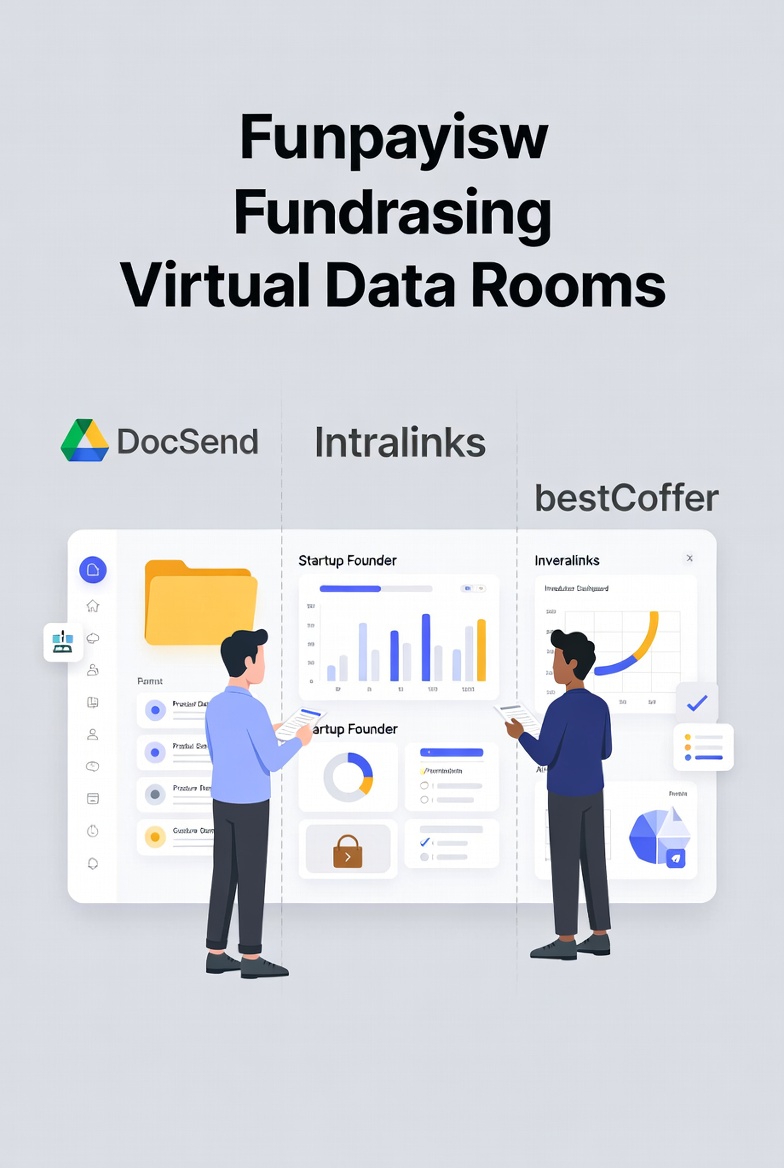
DocSend is often the first “VDR-like” tool founders encounter, especially in early-stage fundraising.
Strengths
Extremely easy to use
Familiar to most investors
Built-in analytics on document views
Free and low-cost plans available
Limitations
Limited folder structure for full data rooms
Not ideal once document volume increases
Less suitable for later-stage diligence
Best for
Pre-seed and seed rounds
Pitch deck sharing and early investor conversations
DocSend works well when fundraising is still mostly about storytelling rather than diligence.
Most startups already use Google Drive or Dropbox before fundraising begins.
Strengths
Free tiers available
Zero learning curve
Easy internal collaboration
Limitations
Weak audit and tracking
Poor experience for multiple external investors
Risk of version confusion
Best for
Very early fundraising
Founder-led rounds with a small number of investors
From a product perspective, Drive is not a VDR — it’s a stopgap. It works until it doesn’t.
Intralinks is a gold standard for large M&A and private equity deals, and sometimes gets recommended to startups by advisors.
Strengths
Strong security and compliance
Highly structured permission models
Trusted by large institutions
Limitations
Expensive for startups
Complex setup
Features often unused in fundraising
Best for
Late-stage startups
Strategic investments involving large institutions
Pre-IPO or crossover rounds
For most startups, Intralinks solves problems they don’t yet have.
bestCoffer positions itself between lightweight sharing tools and heavy enterprise VDRs, which aligns well with fundraising realities.
Its differentiation comes from AI-assisted workflows, not just storage.
Key capabilities
AI-assisted redaction for sensitive financial or customer data
AI translation for cross-border fundraising
AI knowledge base to help investors navigate materials
Free or flexible entry-level options make it accessible for early-stage teams, while still supporting later-stage diligence.
Best for
Seed to Series B fundraising
Cross-border fundraising (US–China, Asia–Europe)
Teams that want structure without friction
From a product standpoint, bestCoffer focuses on reducing founder time spent managing documents, which is often the real bottleneck.
| Tool | Free Option | Ease of Use | Investor Experience | Scalability |
|---|---|---|---|---|
| DocSend | Yes | Very High | High (early) | Low–Medium |
| Drive | Yes | Very High | Medium | Low |
| Intralinks | No | Low | High (late-stage) | Very High |
| bestCoffer | Yes* | High | High | High |
* Availability and limits depend on plan and region.
From repeated fundraising cycles, a consistent pattern emerges:
Founders want less operational work
Investors want faster understanding
Teams need flexibility as data changes weekly
bestCoffer’s AI features are not about automation for its own sake — they reduce friction at exactly the points where fundraising slows down: redaction, translation, and document navigation.
This makes it especially relevant for:
Startups raising from international investors
Teams without dedicated legal or finance ops
Fast-moving rounds with compressed timelines
From a product manager’s perspective, a fundraising VDR should not replicate enterprise M&A workflows. It should reduce founder overhead while improving investor clarity.
Lightweight tools work early, enterprise tools work late, but for most startups in between, a VDR that balances structure, speed, and cost — especially in cross-border fundraising — delivers the most value.
The best tool is not the most powerful one, but the one that removes the most friction at your current stage.
Searching for document re
In 2026, data privacy and
In 2026, with AI-driven s